
 By
ByThe iPhone Ultra foldable is Apple’s first folding iPhone, expected to launch in September 2026 with a nearly crease-free 7.76-inch inner display, a 5.49-inch cover screen, and a price starting above $2,000. Early testers have reportedly praised its liquid-metal hinge and slim, book-style design. Apple has not confirmed the device exists, but leaks from supply-chain analysts have stayed unusually consistent for months. Here is everything reported so far, sourced and dated, plus how it stacks up against Samsung’s current foldable flagship.
What Is the iPhone Ultra?
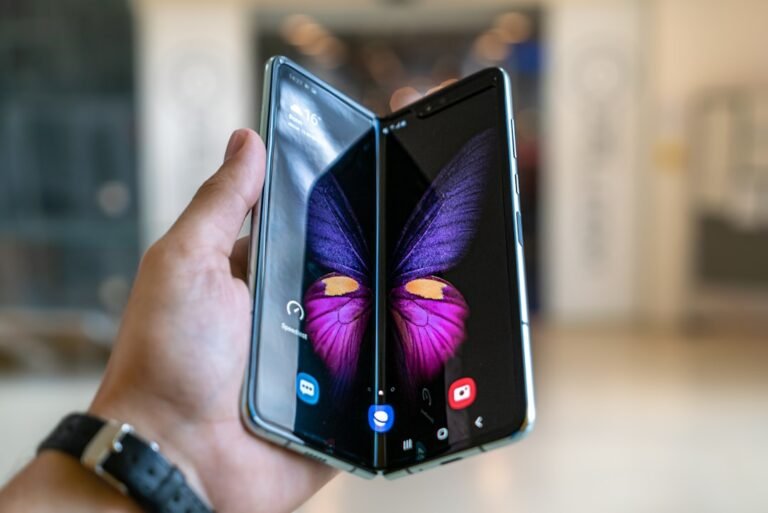
The iPhone Ultra is the working name for Apple’s rumored foldable phone, positioned above the iPhone Pro Max in Apple’s lineup. Unlike a clamshell flip phone, it uses a book-style fold: the device opens like a small hardcover book to reveal a tablet-sized inner screen, with a narrower cover display on the outside for quick tasks. Apple has never confirmed the product, its name, or its specifications.
Everything in this guide comes from supply-chain analysts, leaked component orders, and early hands-on reports from testers who have reportedly handled prototype units ahead of the official unveiling. Where a figure is confirmed rather than rumored, that distinction is called out explicitly, because first-generation Apple hardware rumors have a habit of shifting right up until launch day.
When Will the iPhone Ultra Foldable Release?
Apple is expected to announce the iPhone Ultra foldable at a keynote on September 8 or 9, 2026, with retail sales starting September 18, 2026, alongside the rest of the iPhone 18 lineup. That timeline matches Apple’s usual early-to-mid-September iPhone events and has been repeated consistently across supply-chain reporting, including MacRumors’ foldable iPhone tracker. The date is not yet confirmed by Apple itself, so treat it as a strong rumor rather than a locked calendar entry.
How Much Will the iPhone Ultra Cost?
Apple analyst Ming-Chi Kuo, cited in an August 2026 GSMArena report, estimates the iPhone Ultra will cost between $2,000 and $2,500, with other outlets narrowing that range to roughly $1,999 to $2,399. That would place it above the current iPhone 17 Pro Max and roughly in line with Samsung’s Galaxy Z Fold 7, which launched at $2,000 in 2025. A premium price is consistent with the specialized hinge, ultra-thin glass, and dual-display components Apple is reportedly sourcing for the device.
Expect multiple storage tiers, the way Apple prices every other iPhone. If the pattern from the Pro Max line holds, the base storage configuration will sit at the low end of that price range, with 1TB or higher configurations pushing well past $2,500. None of the specific storage tiers have leaked yet.
What Screen Sizes Does the iPhone Ultra Have?
Leaked display specs point to a 7.76-inch inner screen at 2,713 × 1,920 resolution when the device is unfolded, close to a 4:3 tablet-like ratio, and a 5.49-inch outer display at 2,088 × 1,422 resolution with a 4:3 aspect ratio when closed. The outer screen’s boxier ratio is meant to feel like a normal phone for one-handed use, while the inner screen behaves more like a small tablet for split-screen multitasking, video, and Apple Intelligence features that benefit from the extra space.
For comparison, that inner display is close in size to an iPad mini, packed into a device that folds down to iPhone-sized when closed. It’s the single biggest reason people are interested in this category of device: a phone that becomes a small tablet on demand, without carrying two separate devices.
How Does Apple’s Crease-Free Hinge Work?
Apple has reportedly pursued a crease-free fold “regardless of cost,” using a liquid-metal hinge sourced through its Liquidmetal Technologies license, paired with ultra-thin glass supplied by Chinese manufacturer Lens Technology. The hinge controls the bend geometry at the fold axis so the display stack lies close to flat when open, while a structural glass mid-frame and optically clear adhesive reduce the visible line that competing foldables still show. Early testers have described the crease as barely perceptible under normal lighting, though none of this has been independently confirmed by Apple.
- Liquid-metal hinge for precise bend geometry
- Ultra-thin glass display cover from Lens Technology
- Structural glass mid-frame for added rigidity
- Optically clear adhesive to minimize the visible crease
Apple’s interest in liquid metal isn’t new. The company signed a “perpetual, worldwide, fully-paid, exclusive license” with Liquidmetal Technologies back in August 2010, in a deal worth a minimum of $10.9 million, and has used the amorphous alloy in small parts like SIM ejector tools ever since. According to MacRumors’ reporting on the foldable’s construction, the foldable iPhone hinge is the first time the material is being used in a major structural, high-volume component, after roughly 16 years of internal research into scaling it up. Liquid metal resists fatigue and behaves like a spring, which is exactly what a hinge that folds thousands of times over a phone’s lifetime needs.
What Camera and Battery Specs Are Rumored?
Camera leaks point to two 48MP rear sensors, likely a standard wide and an ultrawide, plus two separate front-facing cameras, one for the cover display and one inside for use when the phone is unfolded. Notably absent from current leaks is a dedicated telephoto lens, which would be an unusual omission for a device carrying the “Ultra” name and priced above every other iPhone.
Battery reports are less consistent. Supplier registration filings point to two internal cells totaling around 4,883mAh combined rated capacity, while separate leaks from Weibo-based leaker Fixed Focus Digital claim a larger 5,000mAh to 5,500mAh pack, which would make it the largest battery ever fitted to an iPhone. Fitting two cells around a folding hinge is a harder engineering problem than a single flat battery, so expect the final number to move as launch approaches.
What Chip, Biometrics, and Design Can You Expect?
The iPhone Ultra is rumored to ship with Apple’s next-generation A20 processor, expected to be the fastest chip in the iPhone lineup at launch. Multiple reports also point to Touch ID built into the power button instead of Face ID, since fitting Face ID’s TrueDepth camera hardware into a folding, symmetric hinge is a harder engineering problem. Expected thickness is around 4.5mm unfolded and 9.5mm folded, with a compact, passport-style shape when closed that fits in a pocket more easily than most current foldables on the market.
What Colors Will the iPhone Ultra Launch In?
Reports point to a deliberately narrow color lineup at launch, likely just silver and a dark blue or indigo finish similar to the iPhone 17 Pro’s Deep Blue, according to MacRumors’ August 2026 color report. Apple has done this before with first-generation categories: fewer finishes mean fewer manufacturing variables to get right while yields on the new hinge and display stack are still ramping up.
A restrained palette also fits a device expected to be supply-constrained at launch. When demand already outstrips production, there is little commercial reason for Apple to complicate manufacturing with bold or seasonal colors it can add in a later refresh once the line is running smoothly.
iPhone Ultra Foldable vs Samsung Galaxy Z Fold 7: How Do They Compare?
The Galaxy Z Fold 7, Samsung’s current foldable flagship, gives the clearest real-world benchmark for what the iPhone Ultra foldable is up against. The table below compares confirmed Z Fold 7 specs against the most consistent iPhone Ultra rumors as of August 2026.
| Spec | iPhone Ultra (rumored) | Galaxy Z Fold 7 (confirmed) |
|---|---|---|
| Release | September 18, 2026 (expected) | July 2025 (shipped) |
| Starting price | $2,000–$2,500 (estimated) | $2,000 |
| Inner display | 7.76-inch, 2,713×1,920 | 8-inch |
| Outer display | 5.49-inch, 4:3 ratio | 6.5-inch |
| Folded thickness | ~9.5mm (rumored) | 8.9mm |
| Rear cameras | 2x 48MP, no telephoto (rumored) | 200MP + 12MP + 10MP telephoto |
| Biometrics | Touch ID (rumored) | Face recognition + fingerprint |
Samsung Galaxy Z Fold 7 figures come from its official July 2025 announcement, reported by 9to5Google. iPhone Ultra figures remain unconfirmed rumors until Apple’s own announcement, expected in September 2026. On paper, Samsung currently wins on camera hardware, while Apple’s claimed crease-free hinge is the bigger differentiator on the display side, if it holds up to real-world use.
What Are the Biggest Open Questions?
No IP water or dust resistance rating has leaked yet, which matters more for a folding phone than a standard one, since the hinge creates more places for debris to enter. The missing telephoto lens is also unresolved: it’s unclear whether Apple will add one in a later revision or whether the crease-free hinge and battery already consume the internal volume a telephoto module would need.
Software optimization is the other open question. Apple has previewed larger-screen multitasking concepts before, but a shipping, tablet-sized iPhone display is new territory for iOS. How well first-party and third-party apps adapt to the inner screen at launch will likely matter more to the average buyer than any single spec on this page, and it’s the part of the device Apple has said the least about publicly so far.
Carrier and trade-in deals are also unresolved. Foldables tend to see steeper carrier subsidies than standard flagships once initial demand cools, since the category still moves slower than mainstream phones. Buyers willing to wait a month or two past launch may see better financing offers than those ordering on day one, though that also means a longer wait for a device already in short supply.
What Software Features Might the Inner Display Unlock?
A 7.76-inch inner screen is large enough for real side-by-side multitasking, something iPhones have never offered natively. Expect Apple to lean on Split View and Stage Manager concepts already shipping on iPad, adapted for a screen this size, so two apps can run side by side rather than one stacked on top of another the way iPhone multitasking works today.
Apple Intelligence features that rely on screen space, like live translation overlays, visual search results, or drafting tools that show suggestions alongside your original text, stand to benefit the most from the extra room. Camera and Files apps are also likely candidates for a tablet-style layout when the phone is unfolded, matching what those apps already look like on iPad.
The bigger unknown is third-party app support. Developers will need to explicitly design for a folding, variable-aspect-ratio screen rather than assume every iPhone has the same fixed display shape. How quickly major apps like Gmail, Instagram, or Google Docs adapt their layouts will shape how useful the inner screen feels in the first few months after launch, separate from the hardware itself.
Is the iPhone Ultra Foldable Worth Waiting For?
If you already own a recent flagship, waiting makes sense. Foldable hardware is still new, first-generation pricing is high, and Apple’s own iOS 26.6.1 security update shows the company is still actively patching its current lineup, which will keep receiving support for years to come. If you’re due for an upgrade and want the newest form factor Apple has shipped since the original iPhone, the Ultra is worth the wait over buying a conventional slab phone right now.
Buyers who prioritize camera hardware over form factor might do better comparing against Android flagships like the Google Pixel 11 Pro XL, which ships this year with a conventional, non-folding design at a lower price. The right choice depends on whether the folding format itself is the draw, or whether you simply want the newest Apple silicon in any shape.
First-generation hardware also carries first-generation risk. Hinges wear, software takes a version or two to mature, and resale value on unproven form factors tends to drop faster than on established ones. Buyers who value predictability over novelty may prefer to let the second-generation model work out the rough edges before committing $2,000 or more.
The foldable also lands during a broader hardware moment for the industry: 2026 has already brought Amazon’s expanded Prime Air drone delivery push and major AI infrastructure bets like Nvidia’s chip arrangement with OpenAI. Apple’s foldable is one more sign that big hardware risk-taking, not just incremental updates, defines this year across the industry.
How Should You Prepare If You Want One at Launch?
Set a trade-in value estimate for your current phone now, before launch pricing and demand spikes make trade-in slots harder to book. Apple’s trade-in program typically opens estimates the moment a new device is announced, and a foldable this expensive benefits more than most from a solid trade-in credit.
Decide on storage before ordering, not after. Because the inner display is closer to a small tablet than a phone, expect app data, photos, and video to accumulate faster than on a standard iPhone. Buyers who edit video or shoot a lot of photos should lean toward the higher storage tier rather than the base model.
Budget for AppleCare+ from day one. A moving hinge is inherently more failure-prone than a fixed phone body, and first-generation folding hardware is exactly the category where an extended warranty earns back its cost fastest.
Frequently Asked Questions
Is the iPhone Ultra foldable officially confirmed by Apple?
No. As of August 2026, Apple has not confirmed the device’s name, specs, price, or release date. Everything in this guide comes from supply-chain analysts and early tester reports, not an official Apple announcement, so specific numbers could still change before launch.
When is the iPhone Ultra foldable expected to launch?
Current reporting points to a September 8 or 9, 2026 announcement, with sales starting September 18, 2026, matching Apple’s usual early-September iPhone launch pattern alongside the rest of the iPhone 18 lineup.
How much will the iPhone Ultra foldable cost?
Analyst Ming-Chi Kuo estimates a starting price between $2,000 and $2,500, which would make it Apple’s most expensive iPhone at launch, with higher storage tiers likely pushing the price further.
Will the iPhone Ultra foldable have Face ID?
Most reports say no. Leaks point to Touch ID built into the power button instead, since Face ID’s TrueDepth camera module is harder to fit into a symmetric folding hinge without adding bulk.
Does the iPhone Ultra foldable have a telephoto camera?
Current leaks describe only two 48MP rear sensors, a wide and an ultrawide, with no dedicated telephoto lens, which would be a notable gap compared to rivals like the Galaxy Z Fold 7.
How does the iPhone Ultra foldable compare to the Galaxy Z Fold 7?
The rumored inner display is slightly smaller than the Z Fold 7’s 8-inch panel, but Apple’s crease-free hinge claim, if accurate, would be a meaningful design advantage over Samsung’s still-visible fold line.
Should I wait for the iPhone Ultra foldable or buy a phone now?
If your current phone still works well, waiting costs nothing and lets you see real reviews first. If you need a phone immediately, current flagships remain a safer, cheaper choice than a first-generation folding design.
What happens to the iPhone Ultra foldable if the hinge breaks out of warranty?
Apple hasn’t published repair pricing for the device, but foldable hinge repairs on other brands typically cost several hundred dollars out of warranty, which is the main reason AppleCare+ is worth budgeting for on a first-generation folding phone rather than treating it as optional.
Subscribe for Newsletter

